
Rose water panna cotta has been one of my favorite discoveries in the world of simple yet elegant desserts. There’s something truly enchanting about a dessert that looks sophisticated but comes together with such ease. I remember the first time I tasted it at a small Italian trattoria – the delicate floral notes danced with the creamy texture, and I was instantly hooked. It felt like a secret garden in a spoon!
Having spent years perfecting classic Italian desserts like tiramisu and cannoli, I appreciate the beauty of simple ingredients coming together to create something extraordinary. This particular panna cotta recipe marries the rich creaminess of a traditional Italian dessert with the subtle, aromatic whisper of rose water, creating a truly unique and refreshing experience. It’s become my go-to when I want to impress without spending hours in the kitchen, proving that elegance doesn’t have to be complicated.
Why You’ll Love This Rose Water Panna Cotta
This rose water panna cotta isn’t just a dessert; it’s an experience! I promise it will become a staple in your dessert repertoire for so many reasons. It’s truly a delight to make and even more delightful to eat. Here’s why I think you’ll fall head over heels for it:
- Effortlessly Elegant: Despite its sophisticated appearance, it’s incredibly simple to prepare, making you look like a culinary genius with minimal effort.
- Unique Flavor Profile: The delicate and fragrant rose water offers a refreshing twist on classic panna cotta, surprising and delighting your taste buds.
- Versatile for Any Occasion: Whether it’s a casual weeknight treat or a fancy dinner party, this dessert fits right in.
- Make Ahead Magic: You can prepare it hours, or even a day, in advance, freeing you up to enjoy your guests or relax.
The Allure of Rose Water Panna Cotta
The true magic of this dessert lies in its sensory appeal. As you take your first spoonful, the subtle floral aroma of the rose water greets you, followed by the incredibly smooth, melt-in-your-mouth texture of the panna cotta. The sweetness is perfectly balanced, allowing the delicate rose notes to shine without being overpowering. Rose water and creamy dairy are a match made in heaven, creating a harmonious and truly unforgettable flavor profile.
Essential Ingredients for Rose Water Panna Cotta
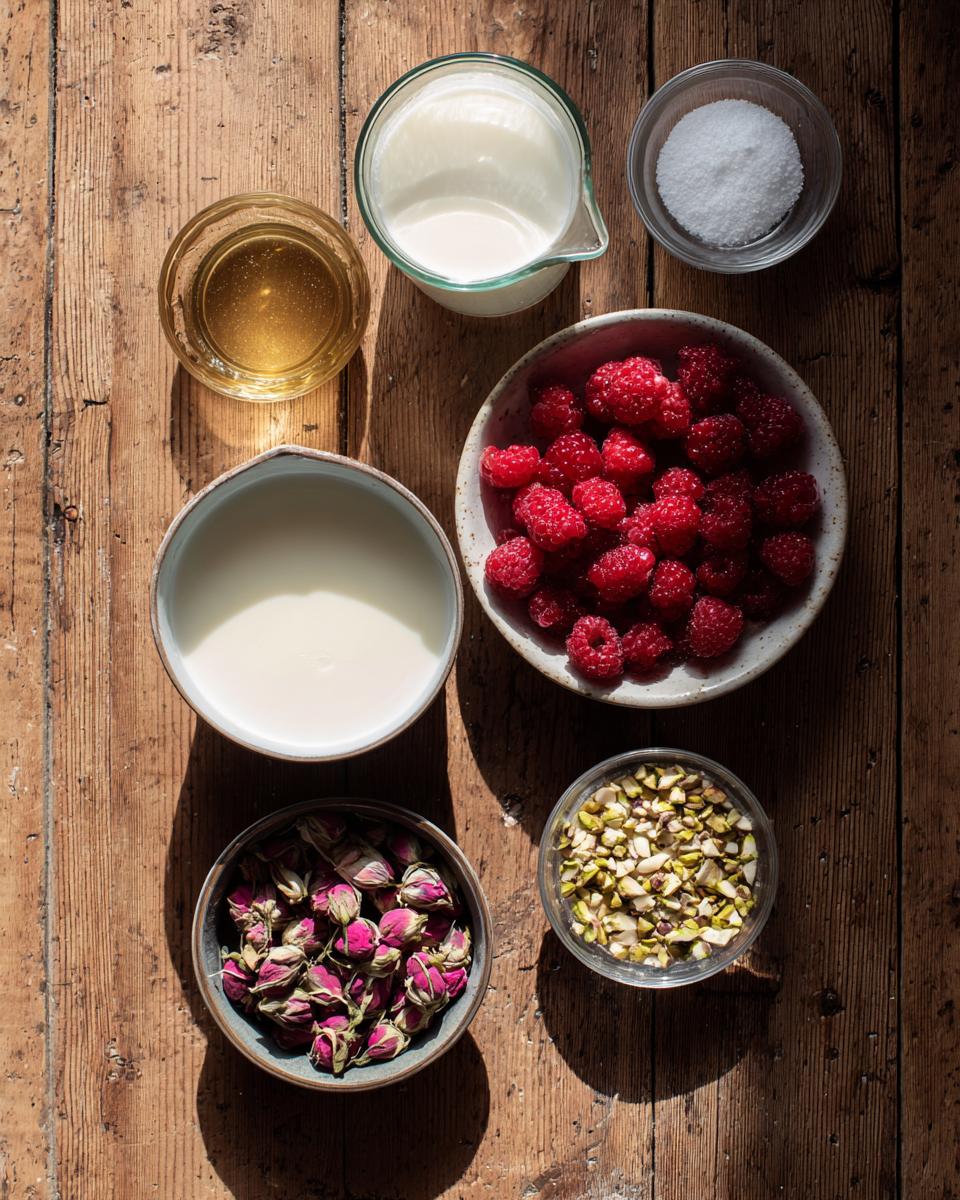
Creating the perfect rose water panna cotta starts with understanding your ingredients. While this dessert is beautifully simple, the quality of what you put in truly shines through in the final product. I always say, a great recipe is only as good as its components, and for something as delicate as panna cotta, each ingredient plays a crucial role in achieving that dreamy texture and exquisite flavor. Let’s dive into what you’ll need to gather for this delightful treat.
Dairy and Sweeteners
For that signature creamy richness, you’ll need 1 1/2 cups heavy cream. Don’t skimp here; the fat content is what gives panna cotta its luxurious mouthfeel. We’ll balance that with 1/2 cup whole milk, which helps lighten the texture just a touch while still contributing to the overall creaminess. And for sweetness, 1/4 cup granulated sugar is just enough to enhance the flavors without making it overly sweet, letting the rose water truly sing.
The Magic of Gelatin and Rose Water
The structure of our panna cotta comes from 2 teaspoons unflavored gelatin powder, which needs to be properly bloomed in 2 tablespoons cold water. This step is non-negotiable for a smooth, firm-yet-jiggly set. The star of the show, of course, is 1 teaspoon rose water, which infuses our dessert with its distinctive, aromatic floral notes. A tiny pinch of salt might seem insignificant, but it actually brightens all the other flavors, making them pop!
Garnish Options for Your Rose Water Panna Cotta
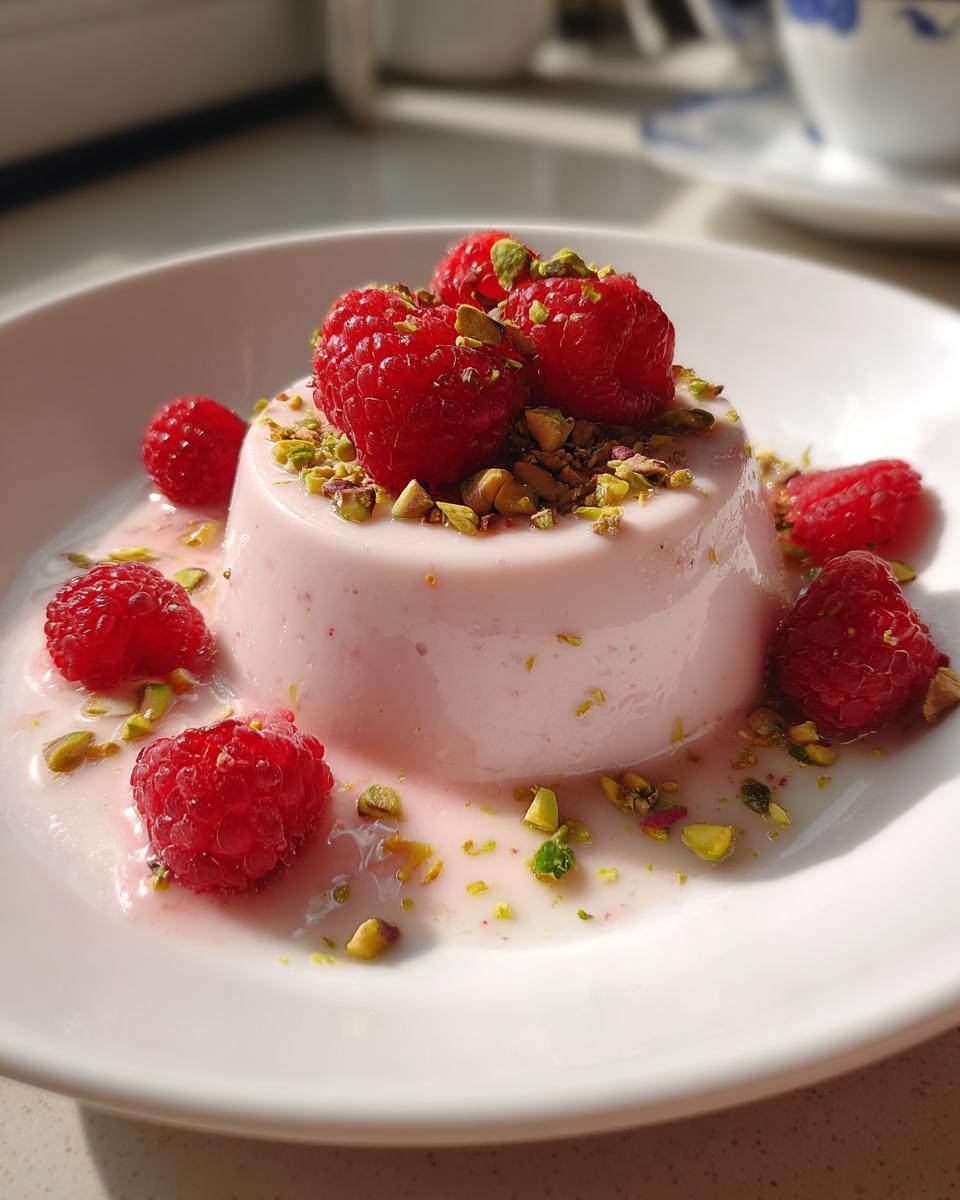
While the panna cotta is delicious on its own, a beautiful garnish can elevate it even further. I love using fresh berries or chopped pistachios. The vibrant colors and slight tartness of berries like raspberries or strawberries offer a lovely contrast to the creamy sweetness. Crushed pistachios add a beautiful green hue and a delightful crunch, making each spoonful a little adventure.
Step-by-Step: Crafting Your Rose Water Panna Cotta
Now that we’ve gathered all our beautiful ingredients, let’s get to the fun part: bringing this delicate dessert to life! Making rose water panna cotta is a wonderfully straightforward process, but a few key techniques will ensure you achieve that perfect, silky-smooth texture every time. I’ll walk you through each step, making sure you feel confident and prepared to create a show-stopping treat.
The beauty of this recipe lies in its simplicity and the minimal cooking required. We’re essentially warming a few ingredients, dissolving gelatin, and then letting time in the fridge do the rest of the work. Follow these steps closely, and you’ll be enjoying your elegant panna cotta in no time.
Preparing the Gelatin
First things first, we need to bloom our gelatin. In a small, clean bowl, sprinkle the 2 teaspoons of unflavored gelatin powder evenly over the 2 tablespoons of cold water. Don’t just dump it in a pile; spreading it out ensures it hydrates properly. Let this mixture sit undisturbed for about 5 to 10 minutes. You’ll notice it transform from a powder into a thick, somewhat rubbery gel. This “blooming” step is crucial for dissolving the gelatin smoothly later and preventing any grainy bits in your final panna cotta.
Infusing the Cream Mixture
Next, grab a medium saucepan. Pour in your 1 1/2 cups heavy cream, 1/2 cup whole milk, 1/4 cup granulated sugar, and the tiny pinch of salt. Place the saucepan over medium heat. Stir occasionally with a whisk or rubber spatula, just until the sugar completely dissolves and the mixture is warm. You want it warm to the touch, perhaps even a little steamy, but it’s absolutely vital that you do not let it boil. Boiling can affect the gelatin’s setting power and might even cause the dairy to curdle. As soon as you see tiny bubbles forming around the edges, remove it from the heat.
Combining and Setting the Rose Water Panna Cotta
Immediately after removing the warm cream mixture from the heat, add your bloomed gelatin directly into the saucepan. Stir continuously until the gelatin is completely dissolved. This should only take about a minute or two. Once dissolved, stir in the 1 teaspoon of rose water. Give it a good whisk to ensure everything is thoroughly combined. Now, carefully pour the mixture into your chosen individual ramekins, small glasses, or decorative molds. Place them gently in the refrigerator and let them chill for at least 4 hours, or even better, overnight. Patience is key here; a fully set panna cotta is a happy panna cotta!
Serving Your Elegant Rose Water Panna Cotta
Once your panna cotta is perfectly set, it’s time for the grand reveal! To unmold, gently run a thin knife around the edge of each ramekin. Then, briefly dip the bottom of the ramekin into a bowl of warm water for about 10-15 seconds. This helps release the panna cotta from the mold. Place your serving plate upside down over the ramekin, and with a quick, confident flick of the wrist, invert them together. The panna cotta should slide out beautifully. Finally, garnish with your chosen fresh berries or chopped pistachios, and prepare for oohs and aahs!
Tips for Perfect Rose Water Panna Cotta
Crafting a truly perfect rose water panna cotta is all about paying attention to a few small details. I’ve learned these tricks over many batches, and they’ll help you achieve that ideal balance of flavor, texture, and presentation. These aren’t complicated steps, but they make all the difference between a good panna cotta and an absolutely unforgettable one.
Achieving the Ideal Rose Water Flavor
Rose water is potent, so a little goes a long way! The 1 teaspoon in the recipe provides a lovely, subtle floral note. However, if you prefer a more pronounced rose flavor, you can absolutely add an extra 1/4 teaspoon of rose water. Taste a tiny bit of the mixture before pouring it into molds to see if it’s to your liking. Remember, you can always add more, but you can’t take it away!
Ensuring a Smooth Rose Water Panna Cotta
The key to a silky-smooth texture, free of any gritty bits, is making sure your gelatin is completely dissolved. After adding the bloomed gelatin to the warm cream mixture, stir thoroughly until you can’t see any granules. If you’re unsure, you can even strain the mixture through a fine-mesh sieve before pouring it into your molds, just to be extra safe. This step guarantees that luxurious, melt-in-your-mouth feel.
Unmolding Your Rose Water Panna Cotta
Sometimes, even after chilling, your panna cotta can be a little stubborn when it comes to unmolding. My go-to trick is to briefly dip the bottom of the ramekin or mold into warm water for about 10-15 seconds. This gently loosens the edges without melting the entire dessert. Then, proceed with inverting it onto your serving plate, and it should slide out beautifully.
Common Questions About Rose Water Panna Cotta
I get a lot of questions about making panna cotta, especially when it comes to specific flavors like our lovely rose water panna cotta. It’s totally normal to have a few queries, whether you’re new to making this dessert or just looking for ways to perfect your technique. Here are some of the most common questions I hear, along with my best advice to help you out!
Can I make Rose Water Panna Cotta ahead of time?
Absolutely, and I highly recommend it! Rose water panna cotta is one of those fantastic desserts that actually benefits from chilling longer. You can easily prepare it a day or even two days in advance. Just keep the individual ramekins covered with plastic wrap in the refrigerator, and they’ll be perfectly set and ready to unmold and garnish just before serving. This makes entertaining so much easier!
What if my Rose Water Panna Cotta doesn’t set?
There are a few reasons why your panna cotta might not set properly, and it almost always comes down to the gelatin. The most common culprit is not dissolving the gelatin completely. Make sure the cream mixture is warm enough to fully melt the bloomed gelatin. Another reason could be if the cream mixture boiled; high heat can sometimes degrade gelatin’s setting power. If it’s too soupy, you can gently reheat it, dissolve a little more bloomed gelatin, and re-chill, but be careful not to overheat.
Can I use different flavors in my Panna Cotta?
You absolutely can experiment with other flavors in panna cotta! That’s the beauty of this versatile dessert. Common variations include vanilla bean, coffee, chocolate, or various fruit purées. However, what makes rose water panna cotta so unique and special is its delicate, aromatic floral profile. While other flavors are delicious, the subtle elegance of rose water truly sets this version apart from the rest, offering a refreshing and sophisticated twist.
Estimated Nutritional Information for Rose Water Panna Cotta
Understanding the nutritional content of your delicious rose water panna cotta can be helpful, especially if you’re tracking your intake. Please remember that these values are estimates and can vary based on specific brands of ingredients used and exact portion sizes. This information is provided to give you a general idea of what you’re consuming with each serving of this delightful dessert.
Share Your Rose Water Panna Cotta Experience!
I absolutely adore hearing about your kitchen adventures! If you give this rose water panna cotta a try, please come back and leave a comment below. Let me know how it turned out, what garnishes you used, or any fun stories from making it. Don’t forget to rate the recipe and share your beautiful creations on social media – tag me, I’d love to see them!
Print
Rose Water Panna Cotta
- Total Time: 4 hours 25 minutes
- Yield: 4 servings 1x
- Diet: Vegetarian
Description
Rose water panna cotta is a delicate and fragrant dessert. It combines the creamy texture of traditional panna cotta with the subtle floral notes of rose water, creating an elegant and refreshing treat.
Ingredients
- 1 1/2 cups heavy cream
- 1/2 cup whole milk
- 1/4 cup granulated sugar
- 2 teaspoons unflavored gelatin powder
- 2 tablespoons cold water
- 1 teaspoon rose water
- Pinch of salt
- Fresh berries or chopped pistachios for garnish (optional)
Instructions
- In a small bowl, sprinkle the gelatin powder over the cold water. Let it sit for 5-10 minutes to bloom.
- In a medium saucepan, combine the heavy cream, whole milk, sugar, and salt. Heat over medium heat, stirring occasionally, until the sugar dissolves and the mixture is warm but not boiling.
- Remove the saucepan from the heat. Add the bloomed gelatin to the warm cream mixture and stir until the gelatin is completely dissolved.
- Stir in the rose water.
- Pour the panna cotta mixture into individual ramekins, small glasses, or molds.
- Refrigerate for at least 4 hours, or preferably overnight, until set.
- To serve, carefully invert the panna cotta onto plates. Garnish with fresh berries or chopped pistachios, if desired.
Notes
- For a stronger rose flavor, you can add an extra 1/4 teaspoon of rose water.
- Ensure the gelatin is fully dissolved to avoid a grainy texture.
- If you have trouble unmolding, briefly dip the bottom of the ramekin in warm water.
- Prep Time: 15 minutes
- Cook Time: 10 minutes
- Category: Dessert
- Method: No-Bake
- Cuisine: Italian
Nutrition
- Serving Size: 1 serving
- Calories: 350
- Sugar: 25g
- Sodium: 50mg
- Fat: 30g
- Saturated Fat: 18g
- Unsaturated Fat: 10g
- Trans Fat: 0g
- Carbohydrates: 20g
- Fiber: 0g
- Protein: 5g
- Cholesterol: 90mg