
You know those nights when you need something quick, delicious, and actually good for you? That’s where my go-to Healthy Sautéed Vegetables come in. I swear by this recipe—it’s saved me from countless takeout temptations when I’m short on time but still want a colorful, nutrient-packed side dish. The best part? It’s so simple even my 10-year-old niece can make it (with supervision, of course). Just a handful of fresh veggies, a splash of olive oil, and a few minutes in the pan transforms them into something magical. I first perfected this method during my college days when my tiny apartment kitchen only had one working burner. Now it’s my secret weapon for turning any sad fridge assortment into a vibrant, crisp-tender masterpiece.
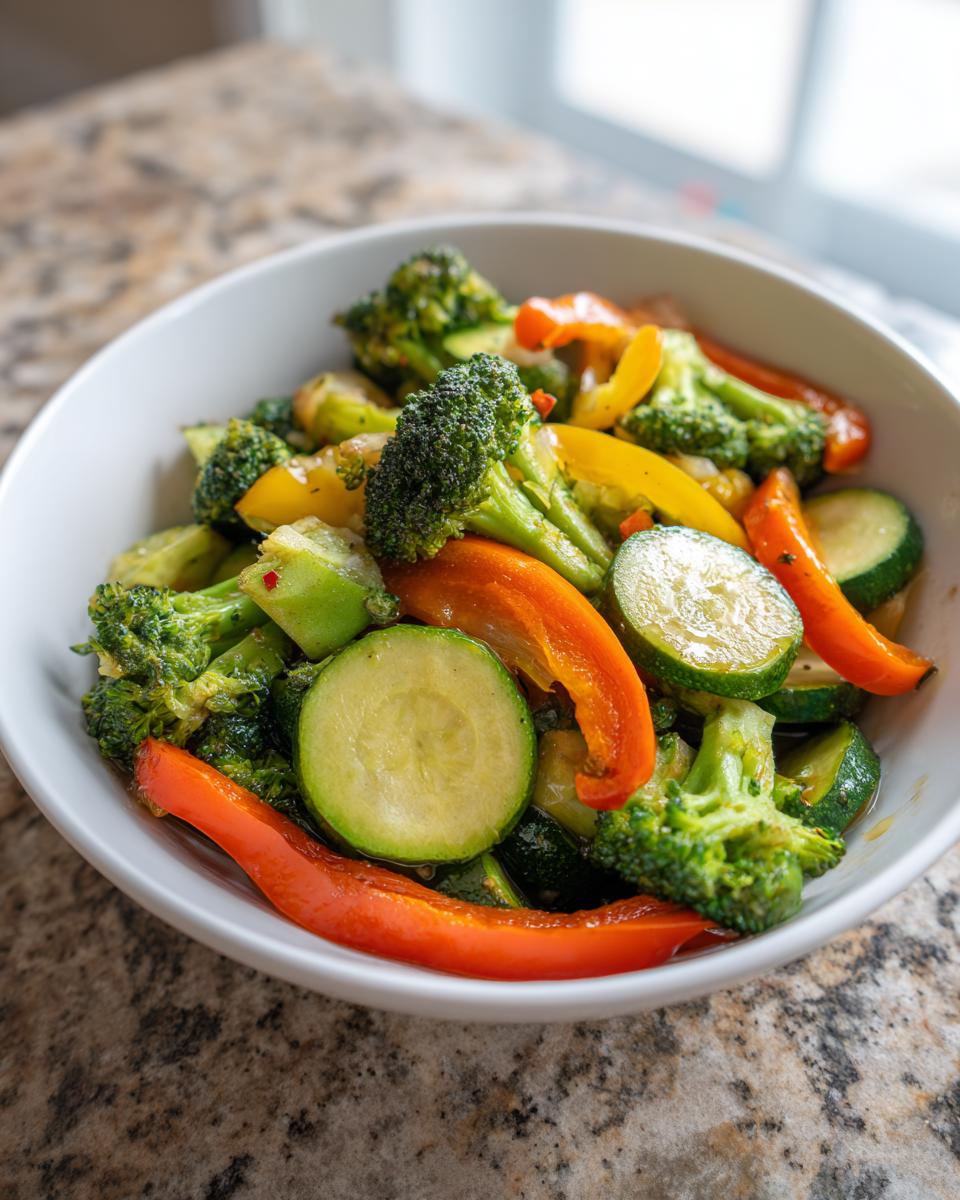
Why You’ll Love These Healthy Sautéed Vegetables
Trust me, this isn’t just another boring vegetable side dish. Here’s why this recipe became my kitchen MVP:
- Faster than takeout – We’re talking 20 minutes start to finish. I’ve timed it against my pizza delivery app!
- Nutrient powerhouse – All those gorgeous colors mean you’re getting a rainbow of vitamins in every bite.
- Totally customizable – Use whatever veggies you’ve got. Last week I swapped zucchini for green beans and it was still amazing.
- Restaurant-quality flavors – That perfect garlicky, slightly caramelized taste? Way better than steamed veggies from my dieting days.
- Meal prep hero – Tastes just as good reheated next day (if you manage to have leftovers).
Ingredients for Healthy Sautéed Vegetables
- 2 cups broccoli florets – Cut into bite-sized pieces for even cooking.
- 1 cup sliced carrots – About 1/4-inch thick slices work best.
- 1 cup sliced bell peppers – I love using a mix of red, yellow, and green for color.
- 1 cup sliced zucchini – Cut into half-moons or sticks, your choice!
- 2 tbsp olive oil – Extra virgin is my go-to for flavor.
- 1 tsp minced garlic – Fresh is best, but jarred works in a pinch.
- 1/2 tsp salt – Adjust to your taste buds.
- 1/4 tsp black pepper – Freshly ground adds an extra kick.
How to Make Healthy Sautéed Vegetables
Okay, let’s get cooking! This method is foolproof—I’ve taught it to dozens of friends who swore they “couldn’t cook vegetables right.” The secret? Pay attention to the order you add things to the pan. We’re building flavors layer by layer here.
Step 1: Sauté the Aromatics
First, grab your largest skillet (I use my trusty 12-inch cast iron) and heat the olive oil over medium heat. You’ll know it’s ready when the oil shimmers slightly—about 1 minute. Now add that glorious minced garlic! The second it hits the pan, the most amazing smell will fill your kitchen. Stir constantly for just 30 seconds—any longer and the garlic turns bitter. We want golden, not brown!
Step 2: Cook the Vegetables
Here’s where strategy comes in. Toss in the carrots first—they’re the toughest and need a 3-minute head start. You’ll hear a satisfying sizzle when they hit the pan. Next, add the broccoli, bell peppers, and zucchini all at once. Give everything a big stir with your wooden spoon (metal can scratch pans!). The veggies should sizzle but not smoke—adjust heat if needed. Cook for 5-7 minutes, stirring occasionally. You’re aiming for that perfect “tender-crisp” texture where the veggies still have some bite.
Step 3: Season and Serve
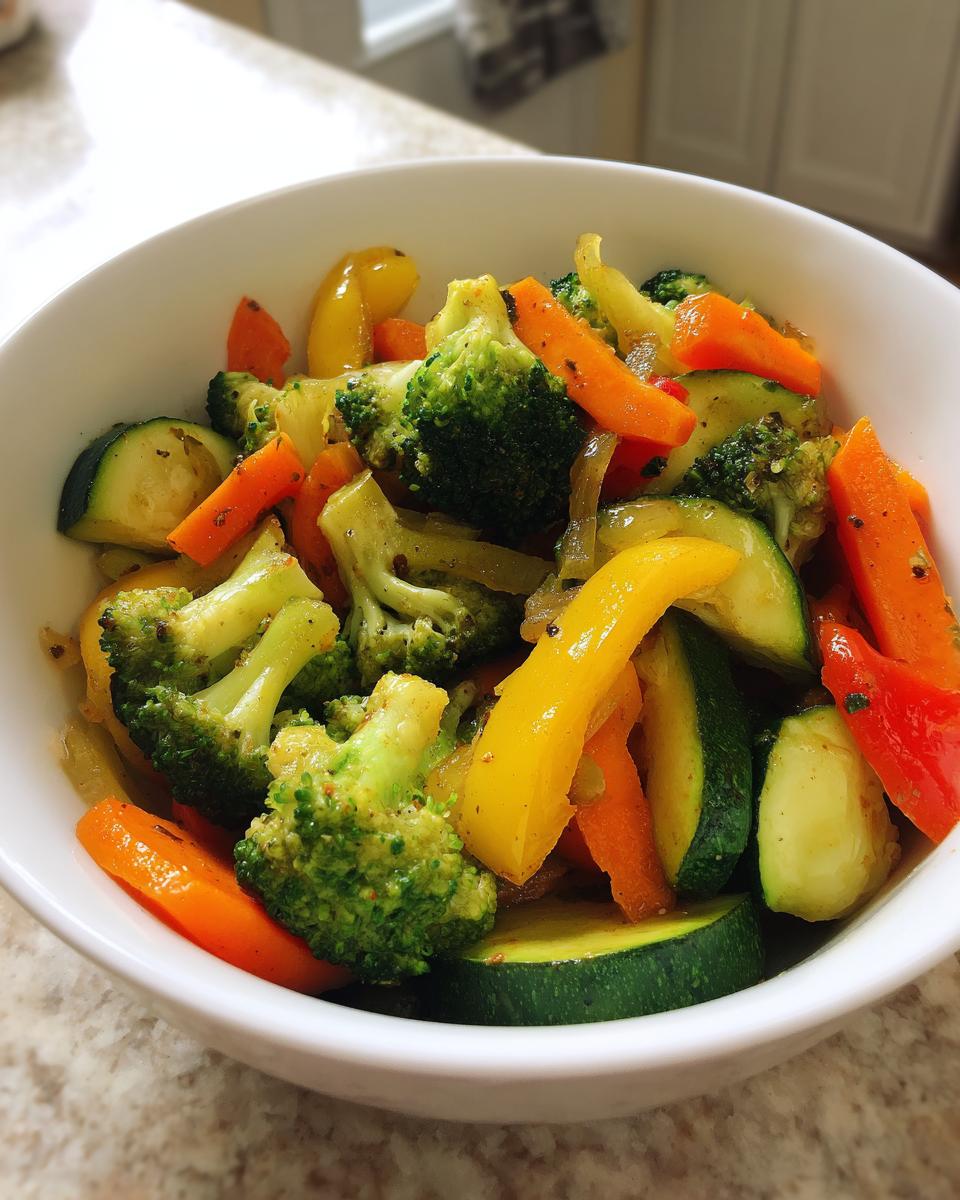
Now the fun part—seasoning! Sprinkle with salt and pepper, then taste. I usually add another pinch of salt because, well, I’m a salt fiend. Serve immediately while they’re still piping hot and slightly crisp. Pro tip: The veggies continue cooking a bit from residual heat, so pull them off when they’re just slightly firmer than you’d like. Watch how the colors pop on the plate—that’s how you know you nailed it!
Expert Tips for Perfect Healthy Sautéed Vegetables
After making this recipe more times than I can count, here are my foolproof tricks for veggie perfection:
- Uniform cuts win – Chop everything roughly the same size so they cook evenly. My carrots always match my zucchini’s thickness!
- Dry veggies = better sear – Pat them dry before cooking to avoid steaming. Wet veggies make the oil sputter like crazy.
- Don’t crowd the pan – If your skillet looks packed, cook in batches. Overcrowding makes veggies soggy instead of nicely caramelized.
- Trust your nose – That garlic tells you everything. When you can smell it across the room, it’s time to add the veggies.
Ingredient Substitutions & Variations
One of my favorite things about this recipe is how forgiving it is! Here are some delicious ways to mix it up:
- Swap broccoli for asparagus – Just add it with the zucchini since it cooks quickly. You’ll get that same satisfying crunch but with a fancier vibe.
- Try sweet potatoes instead of carrots – Dice them small and give them an extra 2 minutes head start. They’ll caramelize beautifully!
- Add heat with red pepper flakes – Toss in 1/4 teaspoon with the garlic if you like a kick. My husband always does this – it’s his signature move.
- Use frozen veggies in a pinch – No shame! Just thaw and pat them super dry first. They won’t get quite as crisp but still taste great.
- Finish with lemon zest – A bright sprinkle at the end makes everything taste fresher. My mom’s secret trick!
The possibilities are endless – I’ve even thrown in leftover roasted Brussels sprouts before. Just keep the total veggie amount about the same and adjust cooking times based on what you’re using.
Serving Suggestions for Healthy Sautéed Vegetables
These sautéed veggies play so well with others! Here’s how I love to serve them:
- Over quinoa or brown rice – Makes a complete vegetarian meal when I’m trying to eat light.
- With grilled chicken or salmon – The perfect healthy protein pairing for weeknight dinners.
- Tossed with whole wheat pasta – Add a squeeze of lemon and some Parmesan for a 10-minute dinner.
- Alongside scrambled eggs – My favorite way to upgrade breakfast with extra veggies.
- On toast with hummus – Sounds weird but trust me—it’s an amazing open-faced sandwich!
Honestly, I’ve even eaten them straight from the pan while standing at the fridge. No judgment here!
Storing and Reheating Healthy Sautéed Vegetables
Let’s talk leftovers – because let’s be real, I almost always make extra! Pop any uneaten veggies in an airtight container (I swear by my glass ones with the locking lids) and they’ll stay fresh in the fridge for 2 days max. When you’re ready to eat, just reheat them in a skillet over low heat with a tiny splash of oil. The microwave works in a pinch, but trust me – the stovetop brings back that perfect texture better than anything. Pro tip: If they seem dry, add a teaspoon of water and cover for the last minute to steam them back to life!
Healthy Sautéed Vegetables Nutrition Facts
Now, let’s talk about why I feel so good after eating this dish! Keep in mind – exact numbers might vary slightly depending on your exact veggie sizes or olive oil pour (I may or may not be guilty of an “extra glug” sometimes). But here’s the scoop per 1-cup serving:
- Calories: 120 – Light but satisfying
- Fat: 7g (1g saturated, 5g unsaturated) – All from heart-healthy olive oil
- Carbs: 12g – Mostly the good kind from veggies
- Fiber: 4g – That’s 14% of your daily needs!
- Sugar: 4g – All natural from the sweet carrots and peppers
- Protein: 3g – Not bad for plants, right?
- Sodium: 300mg – Easy to adjust if you’re watching salt
The best part? You’re getting a mega-dose of vitamins A and C with every colorful bite. My doctor actually high-fived me when I told her this was my go-to side dish!
FAQs About Healthy Sautéed Vegetables
Can I use frozen vegetables instead of fresh? Absolutely! Frozen veggies work great in a pinch—just thaw them first and pat them really dry to avoid steaming. They might not get quite as crisp, but they’ll still taste delicious. I always keep a bag of mixed veggies in the freezer for last-minute meals.
What’s the best oil to use for sautéing? I love olive oil for its flavor and health benefits, but you can use avocado oil or even coconut oil if you prefer. Just avoid butter if you’re aiming for a lighter dish—it tends to burn at higher heat.
How do I know when the vegetables are done? Look for that perfect “tender-crisp” texture—they should still have a little bite but not be raw. Test a carrot or broccoli floret—if it’s easy to pierce with a fork but still firm, you’re golden!
Can I add protein to make it a main dish? Totally! I often toss in tofu, chickpeas, or even leftover chicken. Just add them when you’re cooking the veggies to warm through. It’s a great way to turn this side dish into a full meal.
Why do the veggies turn out soggy sometimes? Usually, it’s because the pan is overcrowded or the heat’s too low. Make sure your skillet is big enough and keep the heat at a steady medium. And remember—dry veggies = crispy veggies!
Share Your Healthy Sautéed Vegetables
Alright, veggie lovers – now it’s your turn! I’d love to hear how your sautéed veggies turned out. Did you add any fun twists? Snap a photo of your colorful creation and tag me – I might even feature your version on my page! And if you loved this recipe as much as I do, leave a quick rating so others can find this kitchen lifesaver too. Happy cooking, friends!
Print
20-Minute Healthy Sautéed Vegetables You’ll Crave Forever
- Total Time: 20 mins
- Yield: 4 servings 1x
- Diet: Vegetarian
Description
A quick and nutritious side dish featuring fresh vegetables sautéed to perfection.
Ingredients
- 2 cups broccoli florets
- 1 cup sliced carrots
- 1 cup sliced bell peppers
- 1 cup sliced zucchini
- 2 tbsp olive oil
- 1 tsp minced garlic
- 1/2 tsp salt
- 1/4 tsp black pepper
Instructions
- Heat olive oil in a large skillet over medium heat.
- Add minced garlic and sauté for 30 seconds until fragrant.
- Add carrots and cook for 3 minutes.
- Add broccoli, bell peppers, and zucchini. Stir well.
- Sprinkle salt and black pepper. Cook for 5-7 minutes until vegetables are tender-crisp.
- Remove from heat and serve immediately.
Notes
- Use fresh vegetables for the best texture and flavor.
- Adjust seasoning to taste.
- Store leftovers in an airtight container for up to 2 days.
- Prep Time: 10 mins
- Cook Time: 10 mins
- Category: Side Dish
- Method: Sautéing
- Cuisine: International
Nutrition
- Serving Size: 1 cup
- Calories: 120
- Sugar: 4g
- Sodium: 300mg
- Fat: 7g
- Saturated Fat: 1g
- Unsaturated Fat: 5g
- Trans Fat: 0g
- Carbohydrates: 12g
- Fiber: 4g
- Protein: 3g
- Cholesterol: 0mg