
There’s nothing like a steaming bowl of the best homemade ramen noodle soup to warm you up on a chilly day. I still remember the first time I made this recipe—it was a snowy evening, and I wanted something comforting but didn’t feel like ordering takeout. That’s when I discovered how easy it is to whip up restaurant-quality ramen right in my own kitchen!
What makes this recipe special is how customizable it is. You get that rich, savory broth that’s packed with flavor from garlic and ginger, but then you can top it with whatever you’re craving—soft-boiled eggs, mushrooms, even beef bacon for extra heartiness. I love how the noodles soak up all that delicious broth, making every bite better than the last. Trust me, once you try making ramen at home, you’ll never go back to those instant packets again.
Why You’ll Love This Best Homemade Ramen Noodle Soup
This isn’t just soup—it’s a hug in a bowl! Here’s why it’ll become your new favorite:
- Faster than delivery: Ready in 35 minutes flat (I’ve timed it while hungry!)
- Rich, deep flavor: That ginger-garlic broth will make your kitchen smell amazing
- Totally customizable: Swap toppings based on what’s in your fridge – my kids love adding corn
- Better than takeout: Fresh noodles and real ingredients make all the difference
- Comfort food magic: Perfect for rainy days, late nights, or when you just need something warm
Seriously, the first time I made this, my husband asked if I’d secretly ordered from our favorite ramen shop!
Ingredients for the Best Homemade Ramen Noodle Soup
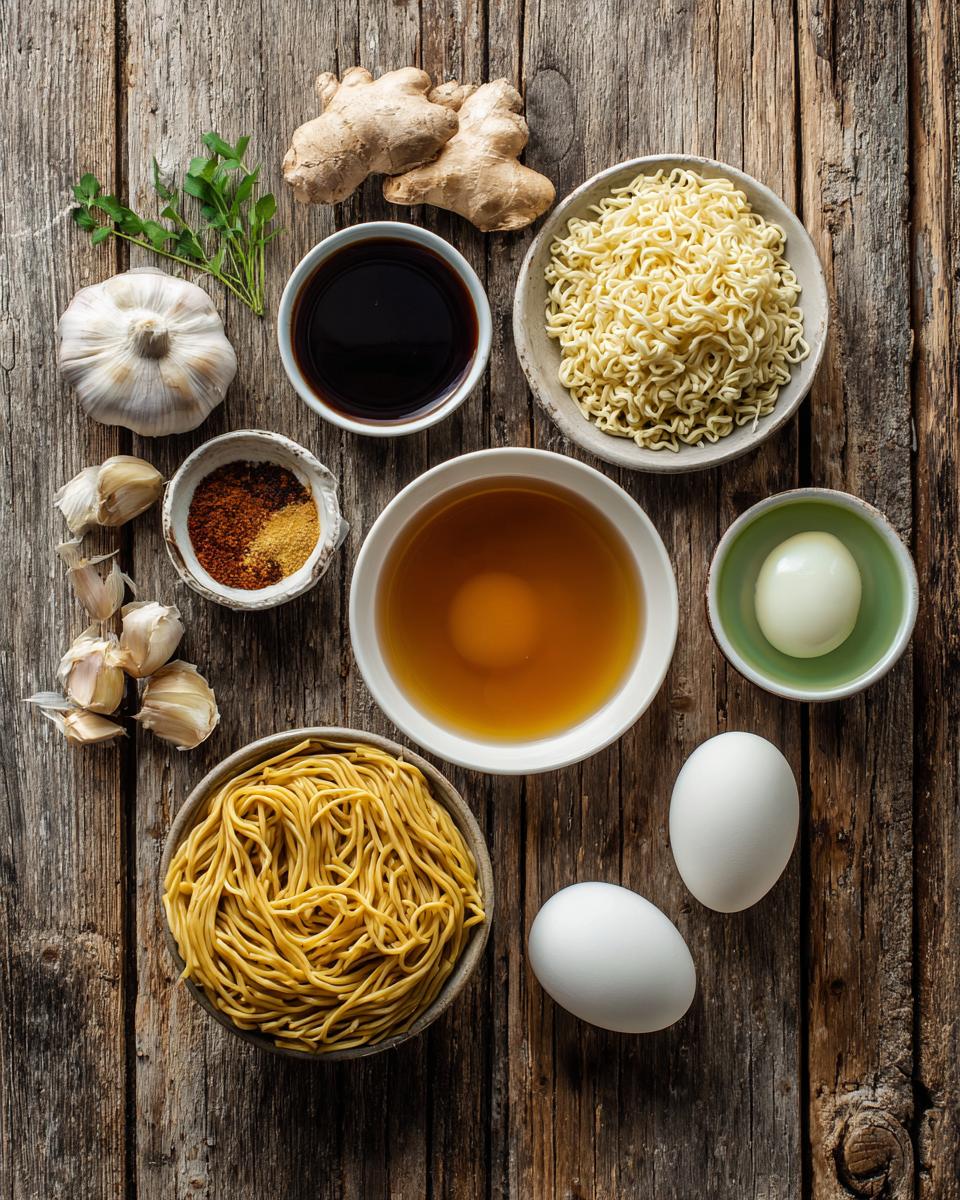
Gathering your ingredients is half the fun of making this ramen—I love how vibrant everything looks before it all comes together in the bowl! Here’s what you’ll need (and yes, I’ve included some of my favorite swaps):
- 8 cups chicken or vegetable broth – I use homemade when I can, but store-bought works great too (just look for low-sodium so you can control the salt)
- 4 cloves garlic, minced – Fresh is best here—that punch of flavor makes all the difference
- 1-inch ginger, grated – Pro tip: keep ginger in the freezer and grate it frozen—no peeling needed!
- 2 tbsp soy sauce – The backbone of our broth’s umami flavor
- 1 tbsp vinegar – Just a splash brightens everything up beautifully
- 1 tbsp sesame oil – That nutty aroma when it hits the hot pot? Heaven.
- 4 servings ramen noodles – Fresh noodles are ideal, but dried work too (just adjust cooking time)
- 2 soft-boiled eggs, halved – My secret? 6½ minutes in boiling water for that perfect jammy yolk
- 1 cup sliced mushrooms – Shiitake are my favorite, but button mushrooms work great too
- 2 green onions, chopped – Keep the green parts for garnish and the whites for cooking
- 1 cup baby spinach – It wilts perfectly in the hot broth
- 1 carrot, julienned – Adds a nice crunch and pop of color
- 1 tsp chili oil (optional) – For those who like a little kick (my husband adds way more than this!)
Want to make it heartier? Try adding beef bacon or shredded chicken—I often toss in leftover rotisserie chicken when I’m short on time. The beauty of this recipe is how adaptable it is to what you’ve got on hand!
Equipment You’ll Need
One of the best things about this recipe? You probably already have everything you need in your kitchen! Here’s what I grab when I’m making my best homemade ramen noodle soup:
- Large pot (at least 4 quarts) – For simmering that glorious broth (I use my trusty Dutch oven)
- Saucepan – For cooking the eggs if you’re doing them separately
- Chef’s knife – My well-loved 8-inch does all the chopping
- Cutting board – I keep one just for veggies to avoid flavor mixing
- Grater – For the ginger (remember my freezer trick!)
- Ladle – Makes serving so much easier
- Slotted spoon – For fishing out noodles or testing doneness
- Bowls – Big, wide ones to hold all those beautiful toppings
That’s it! No fancy equipment needed—just basic tools that help you build layers of flavor. The first time I made this, I was shocked how restaurant-quality results came from such simple gear. Now I keep everything in one drawer so I can whip up ramen whenever the craving hits!
How to Make the Best Homemade Ramen Noodle Soup
Alright, let’s get cooking! I promise this isn’t as complicated as some restaurant menus make it seem. The secret is breaking it down into three simple steps—broth, noodles, and assembly. Follow these, and you’ll have steaming bowls of comfort ready in no time!
Preparing the Broth
This is where the magic starts! Heat your sesame oil in that big pot over medium heat—you’ll know it’s ready when you can smell that wonderful nutty aroma. Toss in your minced garlic and grated ginger, stirring constantly for about a minute. Careful not to burn them—we’re just waking up those flavors!
Now pour in your broth and bring it to a gentle simmer—not a rolling boil—we want those flavors to meld beautifully. Stir in the soy sauce and vinegar, then let it bubble away happily for about 10 minutes. This is when I always sneak a taste and adjust—maybe a pinch more soy sauce if it needs depth, or a splash more vinegar if it needs brightness. Trust your palate!
Cooking the Noodles
While the broth works its magic, let’s tackle the noodles. Here’s my golden rule: never cook them in the broth—they’ll turn to mush! Boil them separately according to package directions, but check a minute early—al dente is what we’re after.
Drain them immediately (no rinsing—we want that starch to help the broth cling!) and divide them between your bowls. Pro tip: toss them with just a teaspoon of sesame oil to prevent sticking while you finish prepping. I learned this the hard way after one too many noodle clumps!
Assembling the Best Homemade Ramen Noodle Soup
Now for the fun part—building your masterpiece! Ladle that fragrant broth over your waiting noodles. Watch how they start to relax and soak up all that goodness—it’s my favorite part!
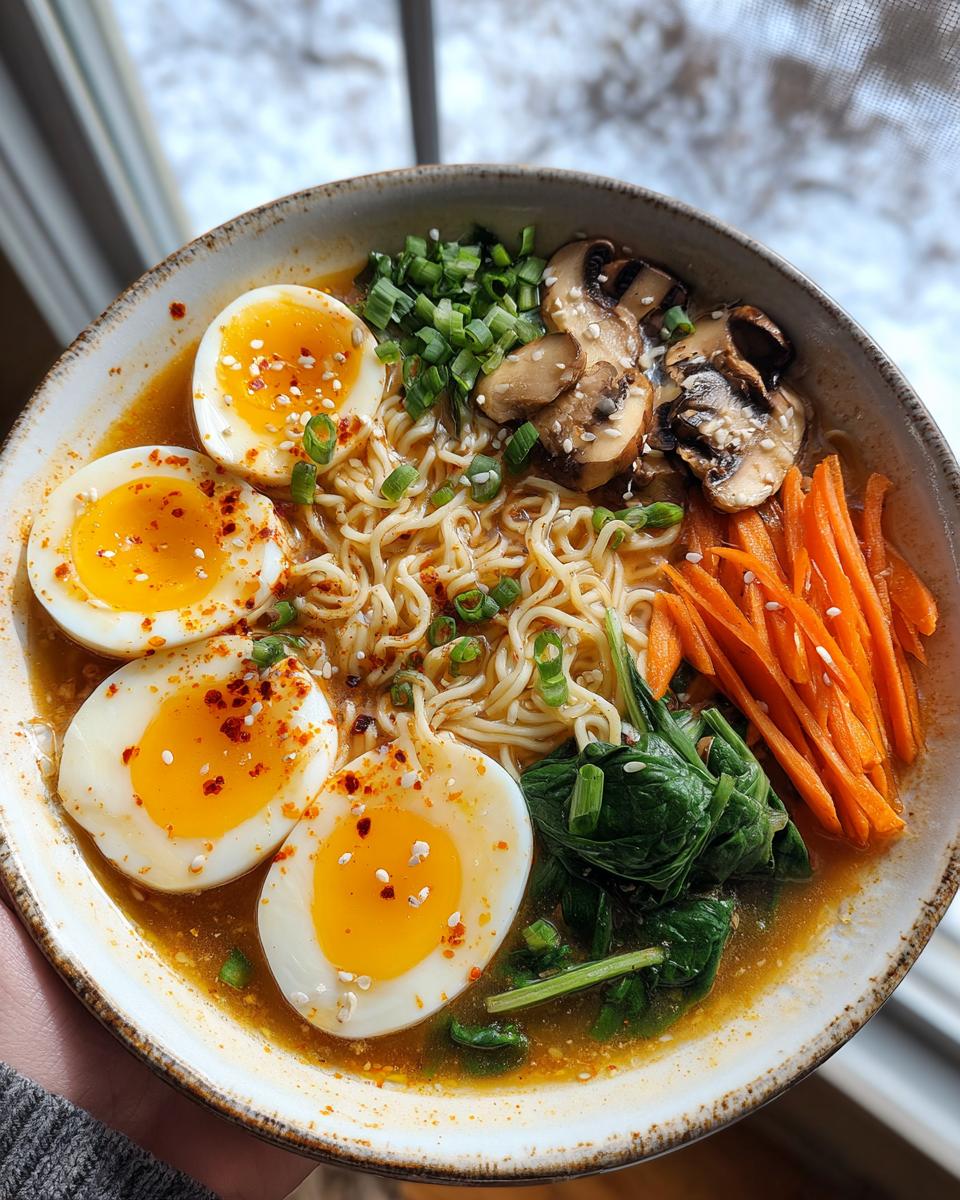
Arrange your toppings artfully: mushrooms first so they warm through, then spinach (it’ll wilt perfectly), followed by carrots for crunch. Nestle those gorgeous soft-boiled egg halves in last—their golden yolks are like little treasures waiting to be discovered. Finish with green onions and a drizzle of chili oil if you’re feeling spicy.
Serve immediately while everything’s piping hot—the steam rising from the bowl is half the experience! I always put out extra toppings so everyone can customize their perfect bite. Now dig in and enjoy your homemade ramen triumph!
Tips for the Best Homemade Ramen Noodle Soup
After making this recipe more times than I can count (my family begs for it weekly!), I’ve picked up some game-changing tricks that’ll take your ramen from good to “when can we have this again?” levels of delicious:
- Fresh noodles make all the difference – I know dried noodles are convenient, but splurge on fresh ones just once and you’ll never go back. They have this perfect springy texture that dried versions just can’t match. Look for them in the refrigerated section of Asian markets—they usually come in little nests that cook in just 2-3 minutes!
- Prep toppings ahead – On busy nights, I chop all my veggies and soft-boil the eggs earlier in the day. That way when hunger strikes, I just need to heat the broth and cook noodles. My kids call it “ramen assembly line night” and love building their own bowls.
- Adjust heat to taste – Start with just a teaspoon of chili oil, then let everyone add more at the table. My husband keeps a bottle of spicy sesame oil next to his bowl—last week he added so much his forehead glistened!
- Broth too salty? – Oops, we’ve all been there! Toss in a peeled raw potato wedge—it’ll absorb excess salt while simmering. Learned this from my grandma after my first overly enthusiastic soy sauce incident.
The best part? These tips work whether you’re cooking for one or feeding a crowd. Just last week I doubled everything for unexpected guests, and they swore it tasted just like their favorite ramen spot downtown. Little do they know my secret is really just patience and fresh ingredients—no fancy chef skills required!
Variations to Try
One of my favorite things about this best homemade ramen noodle soup is how easily you can switch things up! Here are some of my go-to variations that keep dinner exciting (and help clean out the fridge!):
Broth Twists That Change Everything
That ginger-garlic base is amazing, but sometimes I’ll whisk in a tablespoon of miso paste at the end for extra umami. White miso gives a milder flavor, while red miso packs more punch. Just dissolve it in a little hot broth first so it blends smoothly—I learned this after my “miso clump” disaster of 2020!
Protein Swaps for Every Preference
Not feeling eggs? Try these instead:
- Crispy beef bacon bits – I bake them extra crunchy and sprinkle on top
- Shredded chicken – Leftover rotisserie works perfectly
- Pan-seared tofu – Press it first for maximum texture, then cube and brown
- Thinly sliced beef – Just drop raw slices into the hot broth—they’ll cook instantly
Veggie Overhauls
The mushrooms and spinach are classics, but my fridge often inspires new combos:
- Summer version – Corn kernels, snap peas, and zucchini ribbons
- Winter warmer – Roasted sweet potatoes and kale
- Crunch lovers – Bean sprouts, shredded cabbage, and sliced radishes
- Quick fix – Frozen stir-fry veggie mix when I’m extra lazy
The possibilities are endless! Last week I even tried adding kimchi for a tangy kick—my teenager declared it her new favorite. That’s the beauty of homemade ramen—it’s your canvas to create whatever delicious masterpiece you’re craving tonight!
Serving Suggestions
While this best homemade ramen noodle soup is absolutely satisfying on its own, I love rounding out the meal with a few simple sides—especially when we’re having friends over or want to make it feel extra special! Here’s what I’ve found pairs perfectly:
- Steamed gyoza – My kids go crazy when I serve these crispy dumplings alongside. The dipping sauce adds another layer of flavor that complements the ramen beautifully.
- Asian cucumber salad – That cool, vinegary crunch is the perfect contrast to the rich broth. I toss sliced cucumbers with rice vinegar, sesame seeds, and just a pinch of sugar.
- Edamame – Such an easy protein boost! I keep frozen pods on hand for last-minute meals—just sprinkle with sea salt.
- Seaweed salad – That briny, slightly sweet flavor cuts through the richness so well. Store-bought works great when I’m short on time.
For drinks, I usually serve hot green tea or sparkling water with lime. Though when it’s just the adults, my husband loves pairing it with a cold ginger beer—the spice plays off the ramen flavors perfectly. Whatever you choose, keep it simple and let that amazing homemade ramen stay the star of the show!
Storage and Reheating
Leftovers? Yes please! This homemade ramen stores beautifully for quick meals later—just keep the broth and noodles separate and you’ll be golden. Here’s how I do it:
Storing: Pour cooled broth into airtight containers (I use mason jars) and refrigerate for up to 2 days. Noodles go in separate containers with a splash of water or broth to prevent sticking. Toppings should be stored separately too—nothing sadder than soggy mushrooms!
Reheating: Warm the broth gently on the stove—microwaving can make it separate. When it’s steaming hot, pour over freshly cooked noodles (yes, cook new ones—reheated noodles turn mushy!). Top with your stored ingredients, adding fresh green onions for brightness.
Pro tip: The broth actually gets more flavorful overnight! I often make a double batch just to have ready for quick lunches. Just be sure to cool it completely before refrigerating—I learned that lesson after cracking a container from the heat shock. Oops!
Nutritional Information
Now, I’m no nutritionist, but I know many of you (like me!) like to keep an eye on what’s going into your delicious bowl of ramen. Here’s the breakdown per serving—just remember these are estimates and will change based on your specific ingredients and toppings!
- Serving Size: 1 generous bowl (about 2 cups)
- Calories: 380
- Total Fat: 12g (3g saturated, 7g unsaturated)
- Cholesterol: 95mg
- Sodium: 1200mg (use low-sodium broth if watching salt!)
- Total Carbohydrates: 50g
- Dietary Fiber: 4g
- Sugars: 5g
- Protein: 15g
Keep in mind—if you add beef bacon or extra eggs, the protein and fat will increase. More veggies? That fiber count goes up! That’s why I love this recipe—you can easily tweak it to fit your nutritional needs without sacrificing flavor. My fitness-obsessed cousin swears by doubling the veggies and using tofu instead of eggs, while my teenager piles on the noodles and beef bacon for maximum fuel. However you make it, enjoy every nourishing, delicious bite!
Frequently Asked Questions
Over the years, I’ve gotten so many great questions about this best homemade ramen noodle soup recipe—here are the ones that come up most often with my tried-and-true answers!
Can I use dried noodles instead of fresh?
Absolutely! While fresh noodles have that perfect springy texture, dried ramen noodles work just fine in a pinch. Just follow the package directions (usually 3-4 minutes boiling), but check them a minute early—you want them al dente since they’ll soften more in the hot broth. My emergency pantry stash always has a few packs of dried noodles for those sudden ramen cravings!
How can I make this vegetarian or vegan?
Easy peasy! Swap the chicken broth for vegetable broth (mushroom broth adds amazing depth), skip the eggs, and use tofu or extra veggies for protein. For vegan, make sure your noodles don’t contain egg (check the ingredients) and use alcohol-free vanilla if you’re adding any sweetness. I’ve served this vegan version to my plant-based friends, and they always ask for seconds!
My broth tastes flat—how can I fix it?
Oh no! This happens to me sometimes too. Try adding a splash more soy sauce for umami depth, or a teaspoon of vinegar for brightness. If you have miso paste, whisk in a tablespoon—it’s my secret weapon for rescuing bland broth. Last resort? A tiny pinch of sugar can balance everything out beautifully. Trust me, with these tricks, you’ll have flavorful broth in no time!
Can I freeze the broth for later?
You bet! The broth freezes beautifully for up to 2 months—just leave out any noodles or toppings. I freeze mine in mason jars (leave an inch of space for expansion!) or freezer bags laid flat. When ready to use, thaw overnight in the fridge, then reheat gently on the stove. Pro tip: Freeze the broth in ice cube trays for single-serving portions—perfect for quick lunches!
What’s the best way to soft-boil eggs?
After years of trial and error (and many overcooked yolks!), I’ve nailed it: bring water to a rolling boil, gently lower eggs in with a spoon, set timer for 6½ minutes, then transfer to an ice bath immediately. This gives you that perfect jammy yolk that makes ramen eggs so irresistible. For easier peeling, use slightly older eggs—fresh ones stick to the shell like glue!
Go ahead and try this best homemade ramen noodle soup recipe tonight—I promise it’ll become your new comfort food obsession! Don’t be afraid to put your own spin on it either. Last week my neighbor added roasted garlic to the broth, and wow, what a game-changer! I’d love to hear about your creative twists in the comments below. Did you try miso? Discover a magical new topping? Maybe you’ve got a trick for perfect noodles I haven’t tried yet? Share your ramen adventures with me—after all, the best recipes are the ones we make our own! For more cooking tips and recipes, you can check out The Kitchn.
Print
Homemade Ramen Noodle Soup
- Total Time: 35 mins
- Yield: 4 servings 1x
- Diet: Low Fat
Description
A rich and flavorful homemade ramen noodle soup with a savory broth, tender noodles, and fresh toppings.
Ingredients
- 8 cups chicken or vegetable broth
- 4 cloves garlic, minced
- 1-inch ginger, grated
- 2 tbsp soy sauce
- 1 tbsp vinegar
- 1 tbsp sesame oil
- 4 ramen noodle servings
- 2 soft-boiled eggs, halved
- 1 cup sliced mushrooms
- 2 green onions, chopped
- 1 cup baby spinach
- 1 carrot, julienned
- 1 tsp chili oil (optional)
Instructions
- Heat sesame oil in a large pot over medium heat. Add garlic and ginger, sauté for 1 minute.
- Pour in broth and bring to a simmer. Add soy sauce and vinegar.
- Cook noodles separately according to package instructions, then drain.
- Divide noodles into bowls. Ladle hot broth over them.
- Top with mushrooms, spinach, carrot, green onions, and soft-boiled eggs.
- Drizzle with chili oil if desired. Serve hot.
Notes
- Use fresh noodles for best texture.
- Adjust soy sauce for saltiness preference.
- Add cooked chicken or beef bacon for extra protein.
- Prep Time: 15 mins
- Cook Time: 20 mins
- Category: Soup
- Method: Stovetop
- Cuisine: Japanese
Nutrition
- Serving Size: 1 bowl
- Calories: 380
- Sugar: 5g
- Sodium: 1200mg
- Fat: 12g
- Saturated Fat: 3g
- Unsaturated Fat: 7g
- Trans Fat: 0g
- Carbohydrates: 50g
- Fiber: 4g
- Protein: 15g
- Cholesterol: 95mg